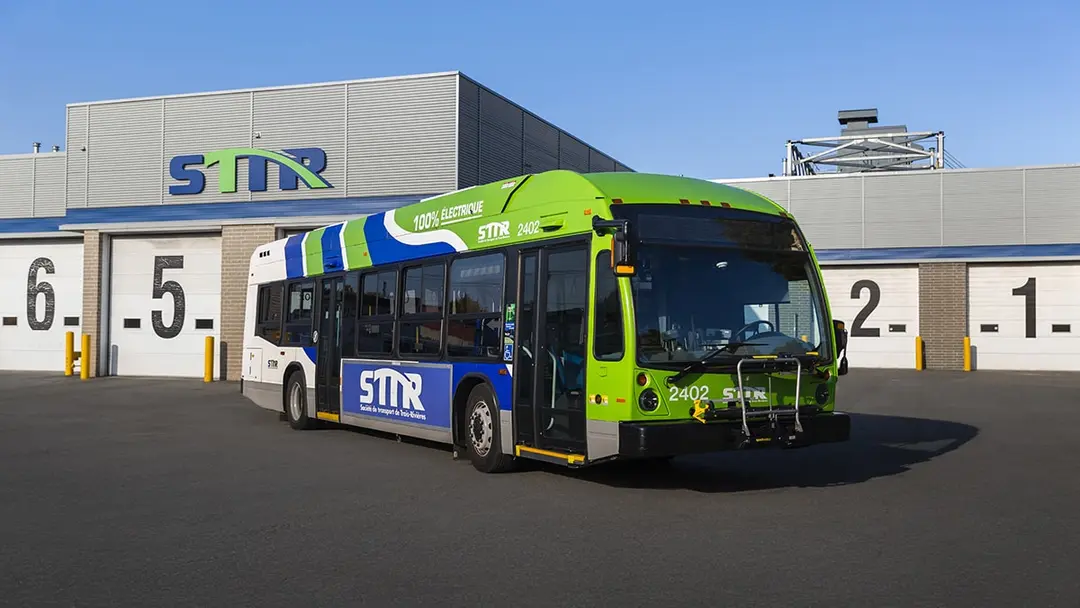
Trois-Rivières Transit (STTR), located in Quebec, Canada, undertook a major transformation of its onboard technology environment to modernize network operations, improve the reliability of passenger information, and build an architecture that is easier to maintain and evolve over time. This initiative was part of a broader strategy to strengthen operational performance while preparing the network for future digital developments.
Delivered jointly by STTR, CIMA+, Ericsson Enterprise Wireless, and Systrans, the project demonstrates how an open and scalable approach can help public transport operators reduce the complexity of onboard systems while improving operational efficiency and long-term flexibility.
Modernization in support of operations and passengers
Faced with an architecture built around multiple devices and aging technologies, STTR sought to simplify fleet management while improving the quality of the data used for operations and passenger information. The evolution of telecommunications networks in Québec, particularly the gradual shutdown of 3G services, provided an opportunity to rethink the entire system.
The solution implemented is based on an integrated technology platform combining transportation expertise, engineering, and onboard connectivity. This new architecture enables more centralized system management, remote software updates, and greater control over onboard infrastructure.
One of the project’s key objectives was to replace a fragmented architecture composed of multiple specialized devices with a platform capable of centralizing onboard services. Ericsson Cradlepoint mobile routers now play a central role in the infrastructure, providing both connectivity and application hosting capabilities required to support network operations.
The architecture interconnects the main onboard systems found throughout the fleet, including passenger information displays, fare collection equipment, security cameras, the driver’s tablet, automated stop announcements, and passenger counting systems. A single 7‑in‑1 antenna supports GPS, Wi‑Fi, and cellular communications required to operate these services.
The project was also designed to facilitate the integration of legacy equipment. Through the use of dedicated converters and interfaces, existing onboard devices could be retained and connected to the new platform, limiting replacements while ensuring service continuity.
Operational and location data collected onboard are transmitted to centralized cloud-based systems that support real-time fleet monitoring and passenger information services. The infrastructure also supports additional operational functions, including Transit Signal Priority (TSP), which helps buses maintain schedules at selected intersections across the network.
Tangible results
As a result of this transformation, STTR now benefits from:
- a simplified onboard architecture;
- improved visibility into operational data;
- centralized fleet management;
- a more scalable and future-ready infrastructure;
- more reliable passenger information services.
The case study also highlights the deployment of the solution across all 65 buses in approximately three weeks. Once validated, software updates can now be deployed remotely across the fleet within a single day, eliminating the need for technicians to visit each vehicle individually.
Beyond the immediate operational gains, the new architecture gives STTR greater control over its technology environment. New capabilities can be introduced more easily, equipment can be replaced progressively as needed, and future developments can be implemented without requiring a complete redesign of the onboard system.
This project illustrates how close collaboration between a transit operator, an engineering partner, a transportation technology provider, and a connectivity specialist can create a more open, agile, and future-ready platform for public transport operations.